Polyvinyl ether is produced by the polymerisation of vinyl monomers, in which a large number of vinyl groups are linked together to form a long polymer chain. There are various methods of producing polyvinyl ether, but the most common is the radical polymerisation of vinyl methyl ether (VME) or vinyl methoxymethyl ether (VMME).
Pumps used
- VANE-MAG® MPA – corrosion-resistant, magnetic-drive rotary vane pumps made of stainless steel for metering solvents
Polymerisation takes place in the presence of an initiator, which triggers the formation of radicals that then bind the monomers. The reaction can be carried out in an aqueous or organic solution or in a melt.
The steps for producing polyvinyl ether are as follows:
- Production of VME or VMME by reacting vinyl chloride with methanol or methoxymethanol.
- Polymerisation of VME or VMME by radical polymerisation in the presence of an initiator such as hydrogen peroxide or benzoyl peroxide.
- Separation of the polyvinyl ether by filtration, drying or extraction.
The resulting polyvinyl ether polymer has a high molar mass, is soluble in water and organic solvents and has good thermal and chemical stability. It is used in various applications such as a binder, as an additive in the paper and textile industries, in the coating of metal surfaces and in the production of adhesives.
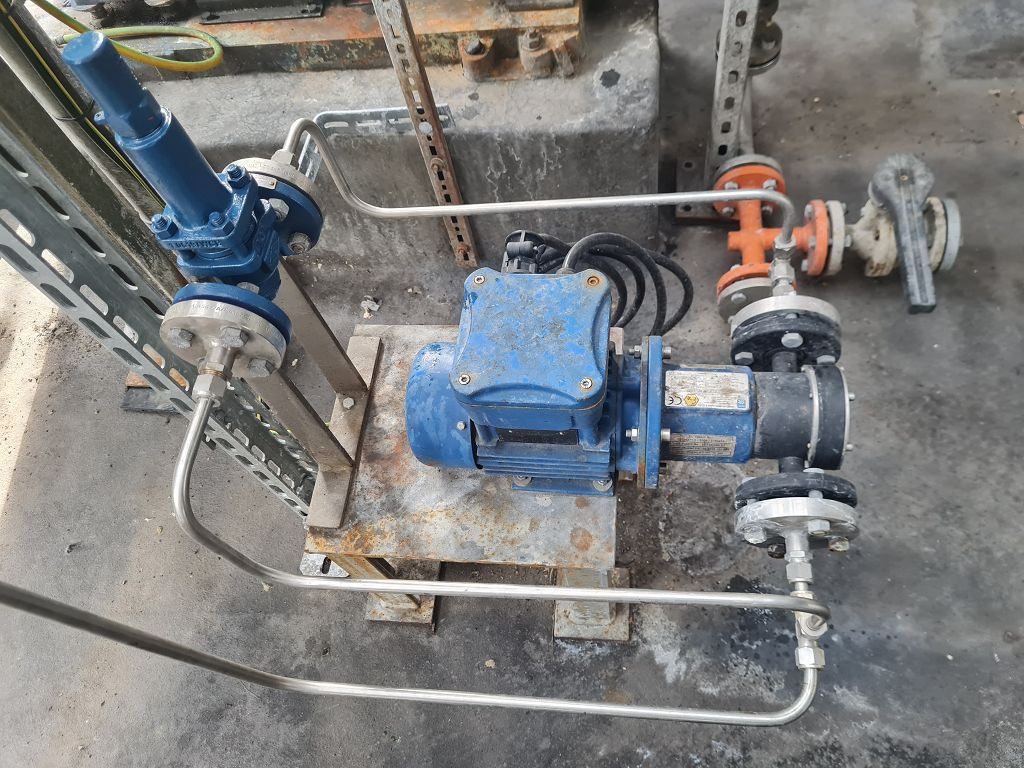
In this application the VANE-MAG® pump is used as a metering pump for the solvent N-ETHYL-2-PYRROLIDONE >= 98% (NEP). N-ethyl-2-pyrrolidone (NEP) is used as a solvent in the production of polyvinyl ether (PVE). It is a polar, aprotic solvent with a high solvency for PVE. NEP is often used as an alternative to other solvents such as dimethylformamide (DMF) or dimethylacetamide (DMAc), which are increasingly regulated because of their potential toxicity and environmental impact.
NEP enables PVE to be dissolved in a solution that can then be used to produce coatings, adhesives, fibres and other applications. It is also used in the cleaning of PVE equipment and for the extraction of PVE from polymer mixtures or solutions.
It is important to note that NEP is also a potentially harmful solvent and should be handled and used with care.
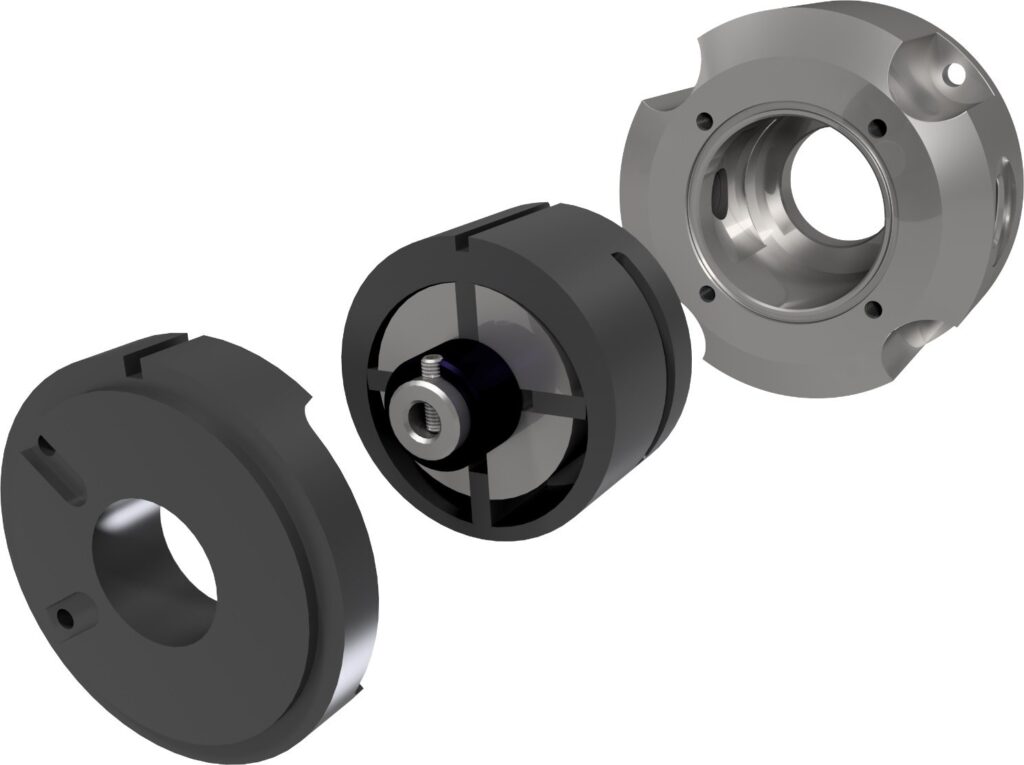
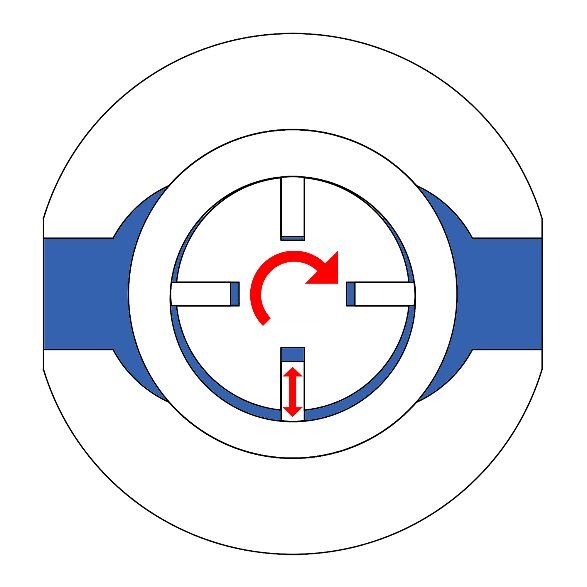
The VANE-MAG® MPA magnetic-drive sliding vane pumps have the advantage that the hydraulics themselves are particularly effective. These rotary positive displacement pumps, also known as rotary vane pumps or vane pumps, are typically used to pump or accurately meter liquids with low lubricating properties. The rotor of the pump has slots in which the vanes move radially and press against the inner wall of the stator bore or cam ring. In this way, as the rotor turns, a narrowing space is created between vane and stator, which draws in the medium. As the vane moves on, the medium is enclosed between vane and casing and carried to the pump outlet by the rotation of the rotor. The vanes, the stator and the thrust bearing are made of carbon graphite and have very good self-lubricating properties.
Rotary vane pumps are often used in applications that require pulsation-free, continuous delivery of very small quantities against high back pressure, for example in the chemical, food and pharmaceutical industries. They are maintenance-free and have a long service life because they consist of few parts that do not wear easily under ideal operating conditions.