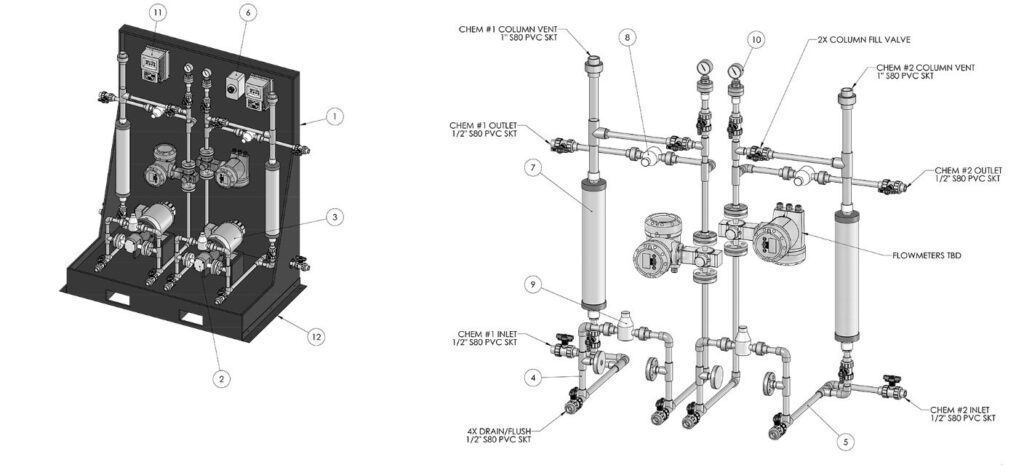
Wastewater neutralisation plants are installations used to treat and neutralise wastewater before it is released into the environment. These plants are generally used in industrial plants, factories, hospitals, laboratories and other facilities that produce large quantities of wastewater. Neutralising wastewater is important to ensure that it is not harmful to the environment. Untreated wastewater can contain a wide variety of harmful substances such as heavy metals, organic chemicals, oils and fats, as well as pathogens and other pollutants. Wastewater neutralisation is carried out by a combination of chemical and physical processes in order to regulate the pH value of the wastewater and remove pollutants. Various methods are used for this, such as neutralisation reactors, sedimentation plants, filtration equipment, flocculation and other technologies. Choosing the right wastewater neutralisation plant depends on various factors, such as the type of wastewater, the quantity of wastewater produced, the degree of contamination, the pH value of the wastewater and environmental requirements. Most wastewater neutralisation plants are designed to work automatically and are continuously monitored to ensure that the treated wastewater meets the prescribed standards and does not harm the environment. Overall, wastewater neutralisation plants are an important part of environmental protection measures and play a decisive role in reducing pollution and preserving water quality.
Pumps used
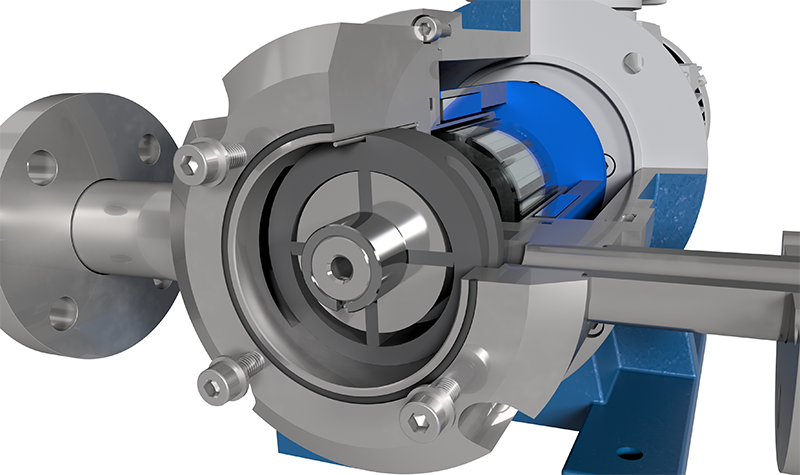
- TEF-MAG® – chemical-resistant gear pumps made entirely of non-metallic materials for pumping acids and alkalis
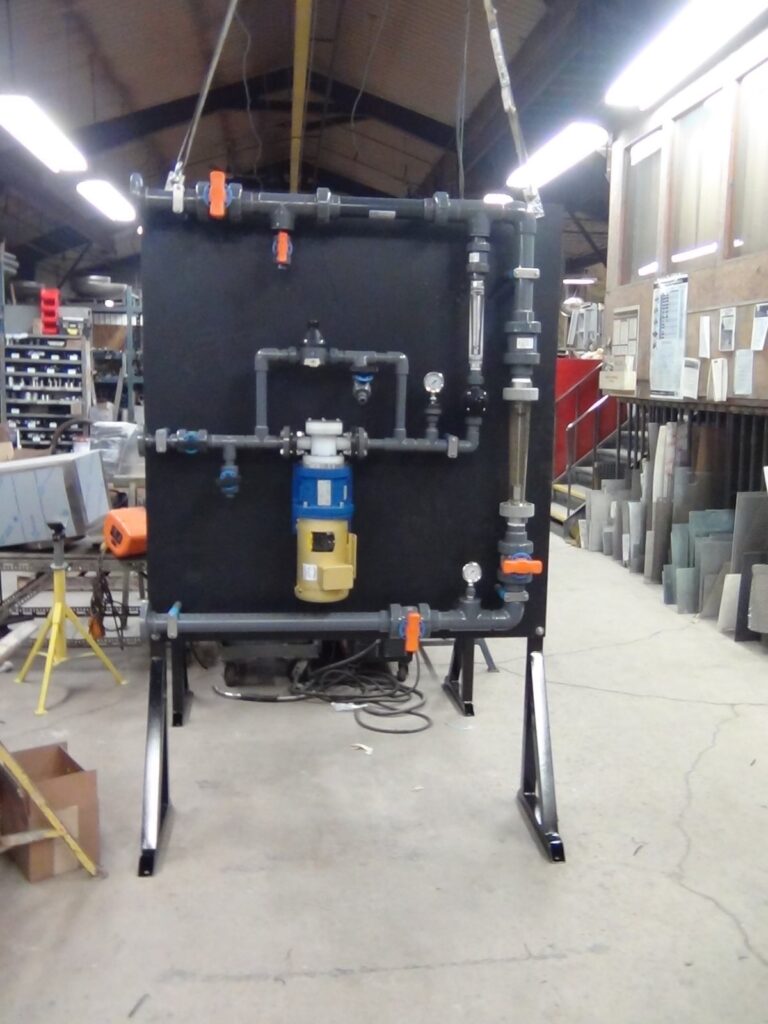
The magnetic-drive, corrosion-resistant external gear pumps of the TEF-MAG® series are built for this purpose by OEMs or plant builders into so-called metering skids, which are then delivered turnkey to the end users.
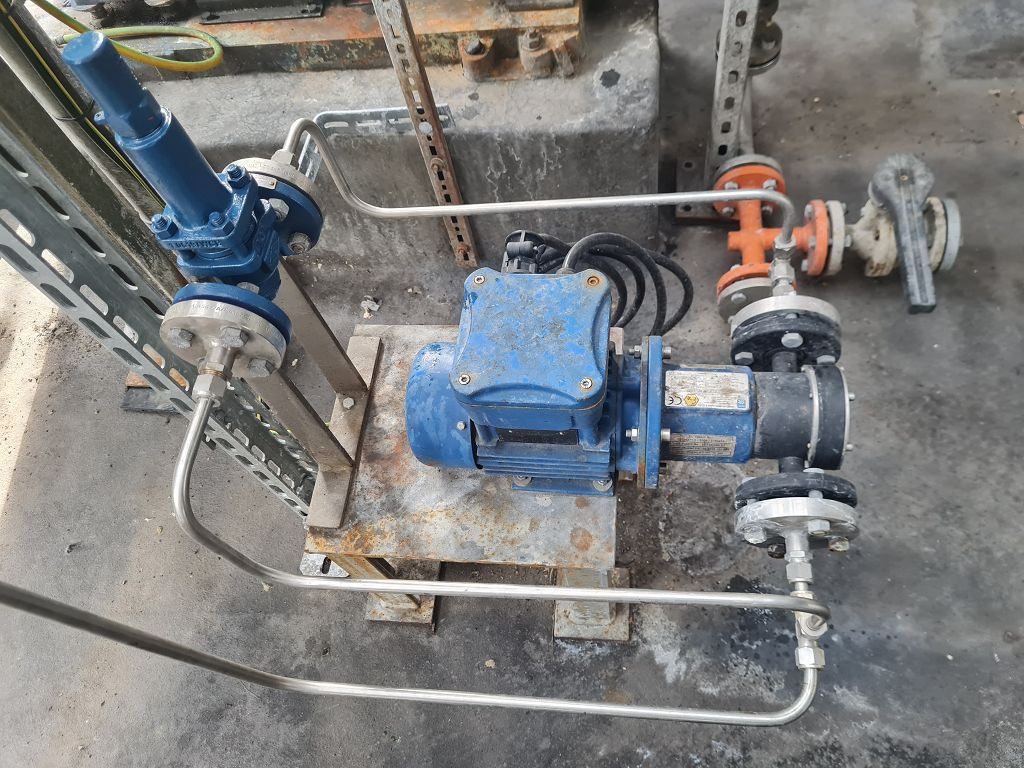
Another application of a neutralisation plant is in solution mining, in which NaCl brine is obtained by flushing solid salt out of salt deposits at depths of 350-700 m with water. The raw brine is transported to processing plants for further processing in order to produce table and feed salts, medical salts and other products such as soda production and chlor-alkali production. However, in the production of raw brine in some caverns the pH value can be too high, at around 11. To remedy this, a process-controlled dosing of 30% HCl hydrochloric acid via a piping system with a March pump is used for neutralisation to a pH-neutral value of around 7. This process ensures that the quality of the raw brine meets the required standards. The dosing of 30% HCl hydrochloric acid has proven to be an effective method of pH neutralisation and helps the company to produce high-quality products.
In chemical wastewater treatment, various liquids are used to remove the pollutants and impurities contained in the wastewater. Here are some of the common liquids:
- Precipitants: precipitants such as calcium hydroxide (lime), aluminium sulphate or iron(III) chloride are used to remove phosphates, sulphates, heavy metals and other impurities. Adding these chemicals forms insoluble particles that settle in the wastewater and can then be removed.
- Acids: acids such as hydrochloric acid or sulphuric acid are used for pH regulation and neutralisation of wastewater. Especially with alkaline wastewater, adding acids can lower the pH value and neutralise the wastewater.
- Alkalis: alkalis such as sodium hydroxide or calcium hydroxide can be used for pH regulation and neutralisation of acidic wastewater.
- Oxidising agents: oxidising agents such as hydrogen peroxide or potassium permanganate can be used to break down organic compounds such as hydrocarbons, dyes or pesticides in the wastewater.
- Reducing agents: reducing agents such as sodium bisulphite can be used to remove chlorine from wastewater.
- Activated carbon: activated carbon is used to adsorb organic compounds in wastewater.
- Ozone: ozone is used to disinfect wastewater because it can effectively kill bacteria and viruses.
The choice of suitable liquids for chemical wastewater treatment depends on the type and quantity of pollutants contained in the wastewater. It is important that the liquids are used carefully and with the environmental impact in mind.
Images