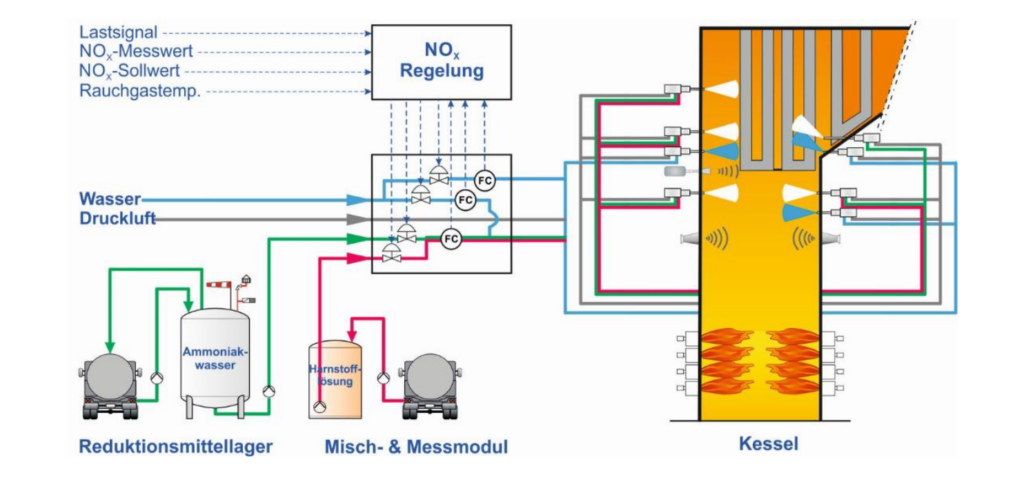
The SNCR process is an established method for reducing nitrogen oxides (NOx) in exhaust gases from industrial plants such as power stations, cement works or waste incineration plants. It is a cost-effective way of reducing emissions of nitrogen oxides and thus air pollution and acid rain.
Pumps used
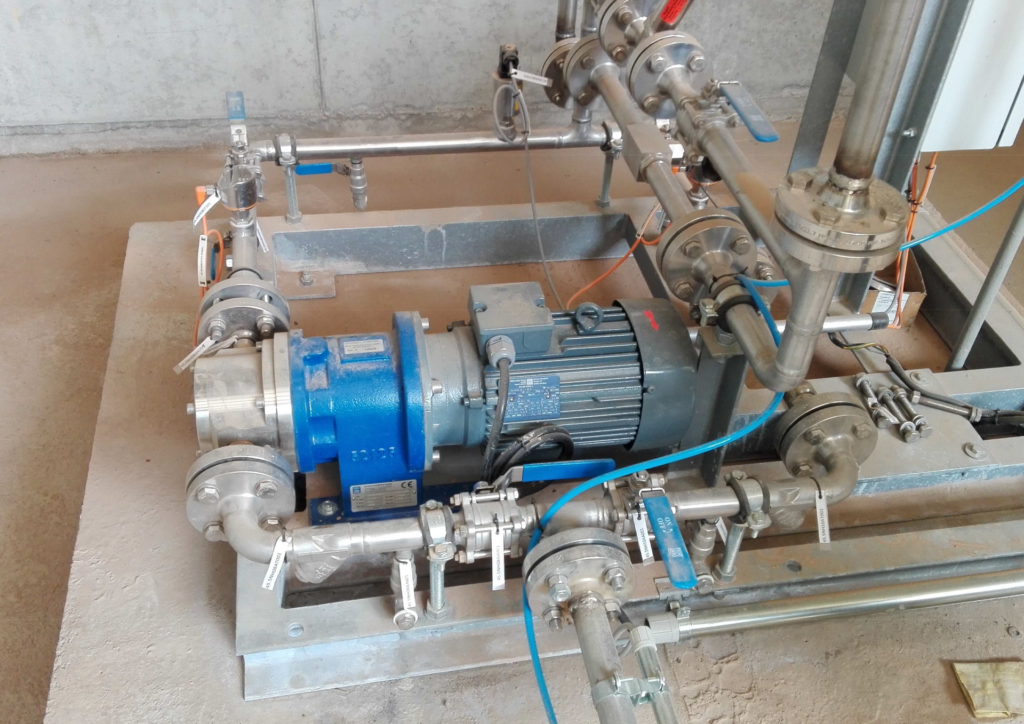
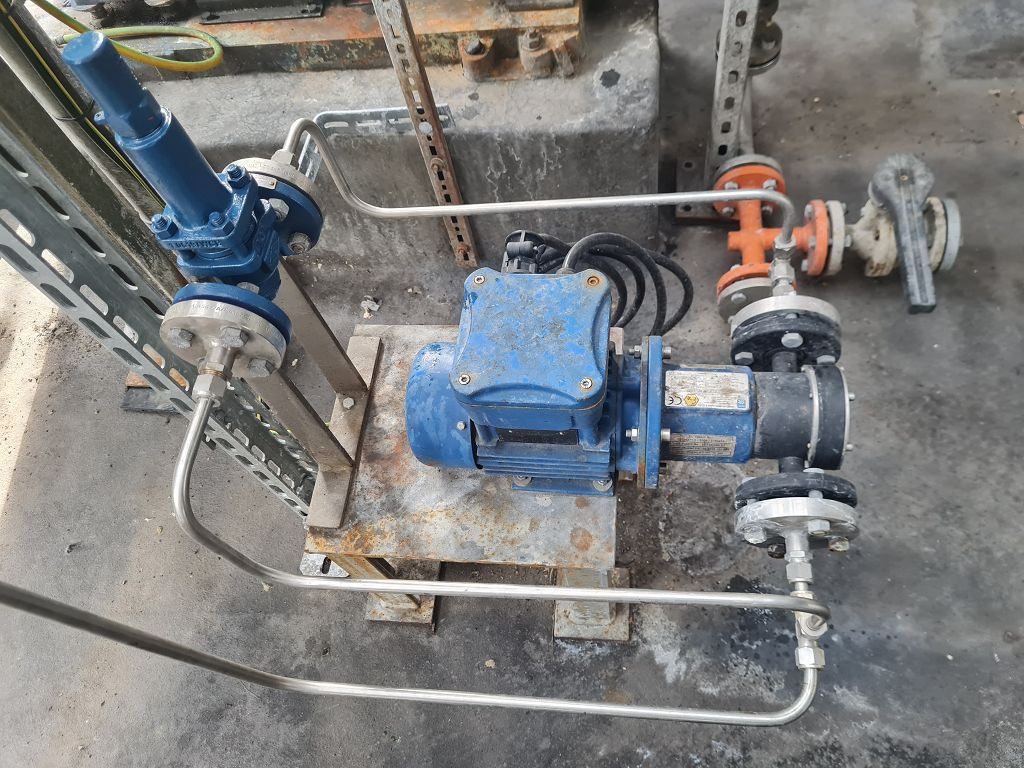
- VANE-MAG® MPA – corrosion-resistant, magnetic-drive rotary vane pumps made of stainless steel for pumping ammonia water, technically tight according to TA-Luft
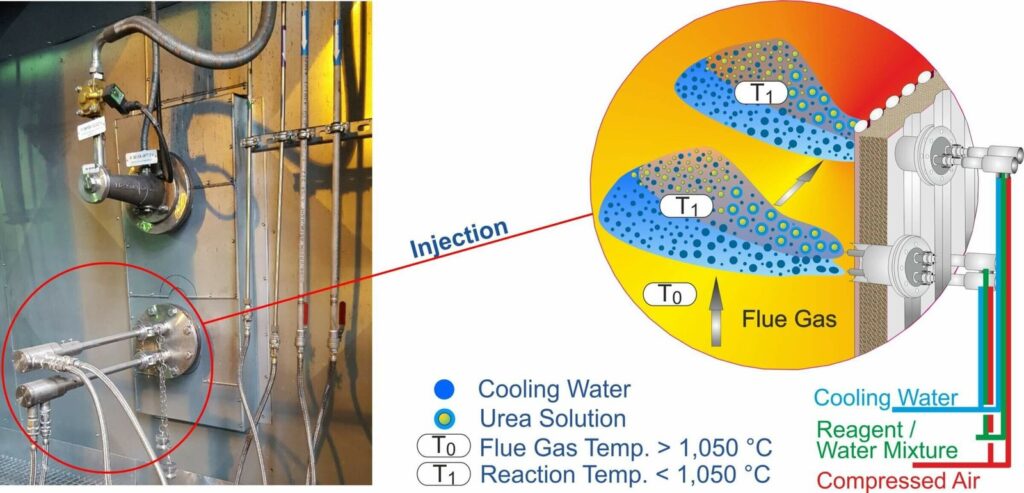
The SNCR process is based on the reduction of nitrogen oxides with ammonia (NH3) or urea (NH2CONH2) as the reducing agent. The reduction takes place at high temperatures, typically between 850 and 1100 °C. The reducing agent is injected directly into the exhaust gas stream before the exhaust gases enter the flue gas scrubber.
In the flue gas scrubber, the reducing agent reacts with the nitrogen oxides and reduces them to nitrogen and water. The reduction takes place as the reducing agent reacts with the nitrogen oxides and converts them into molecular nitrogen and water. The exact mechanism of the reaction depends on the type of reducing agent, the temperature and other factors.
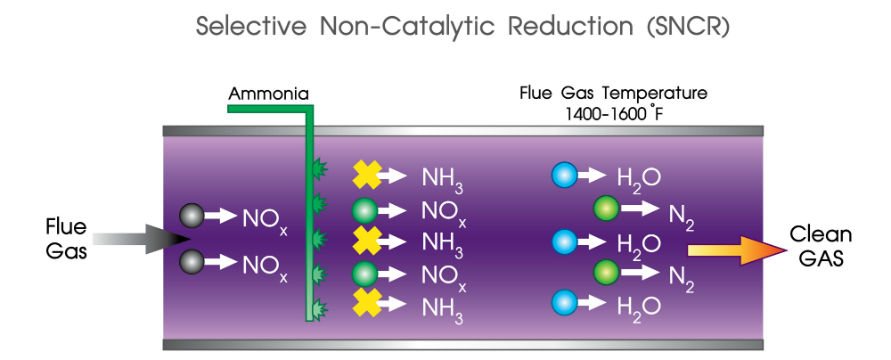
The SNCR process is selective because it only reacts with nitrogen oxides, while other compounds in the exhaust gas such as sulphur oxides (SOx) and carbon monoxide (CO) are not affected. The process is also non-catalytic, as it works without catalysts.
The SNCR process has several advantages over other exhaust gas cleaning technologies, such as selective catalytic reduction (SCR). It is more cost-effective than SCR technology because it does not require catalysts. It can also be installed in existing plants without major changes to the plant.
However, the SNCR process also has some disadvantages. It has a lower nitrogen oxide reduction rate than SCR technology and is less effective at reducing nitrogen oxides at lower temperatures. It is also sensitive to changes in operating conditions, such as fluctuations in exhaust gas composition, exhaust gas temperature and air ratio.
Overall, the SNCR process is a proven and cost-effective method of reducing nitrogen oxides in exhaust gases from industrial plants. It is often used in combination with other exhaust gas cleaning technologies to reduce emissions of pollutants into the air and improve air quality.
For more than 20 years we have supplied the market leader in SNCR plants, Mehldau & Steinfath Umwelttechnik GmbH, and in this long-standing business relationship have successfully equipped far more than 200 SNCR plants with our sliding vane pumps. Mr Daniel von der Heide is available as a competent contact at Mehldau & Steinfath Umwelttechnik GmbH.
Pump sizing
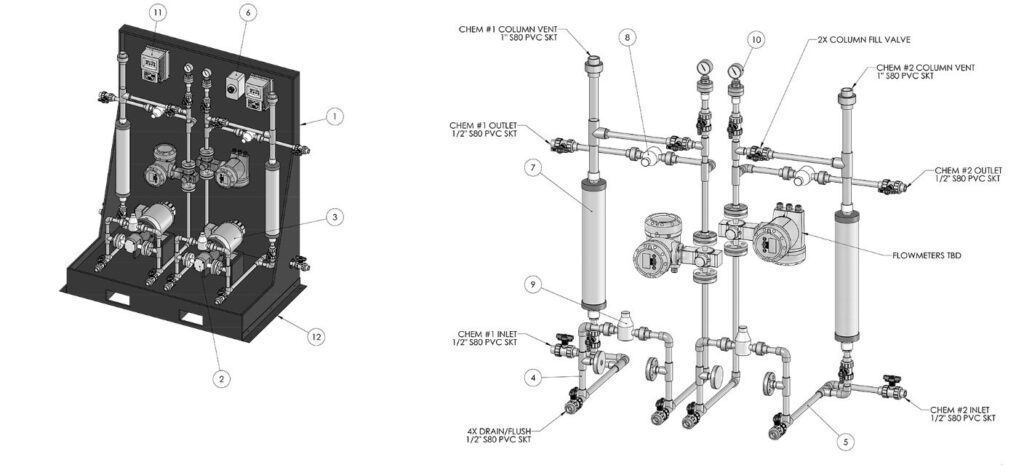
Metering pumps are generally used for the SNCR process because they allow precise metering of the reducing agent. A differential pressure of up to 10 bar is needed to inject the reducing agent into the combustion plant. The required delivery volume varies with the size of the firing system; in industrial plants, flow rates between 100 and 1000 l/h are generally required. When using ammonia water, it is advisable to aim for a low motor speed in order to reduce the NPSHR and avoid cavitation. The choice between using frequency converters or overflow valves to meter the required amount of reducing agent into the combustion chamber is up to the plant builder.
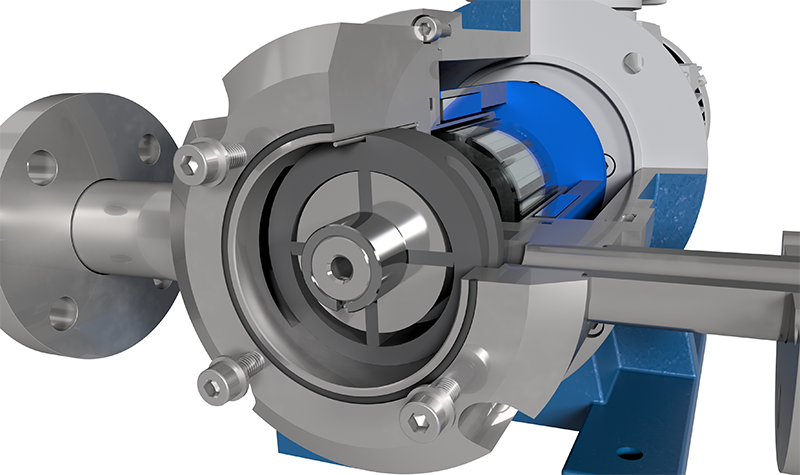
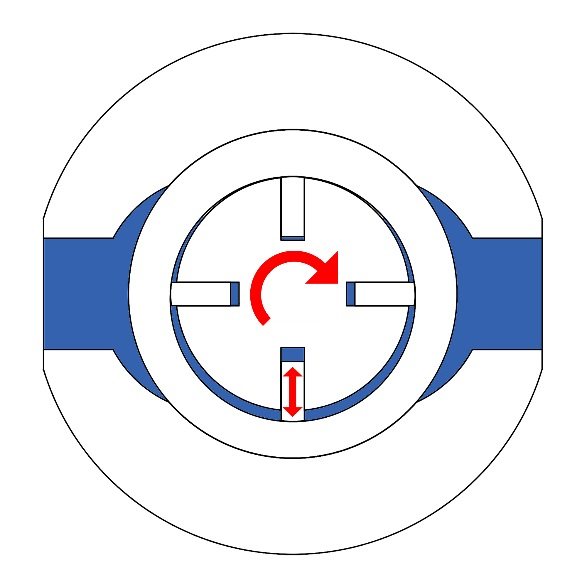
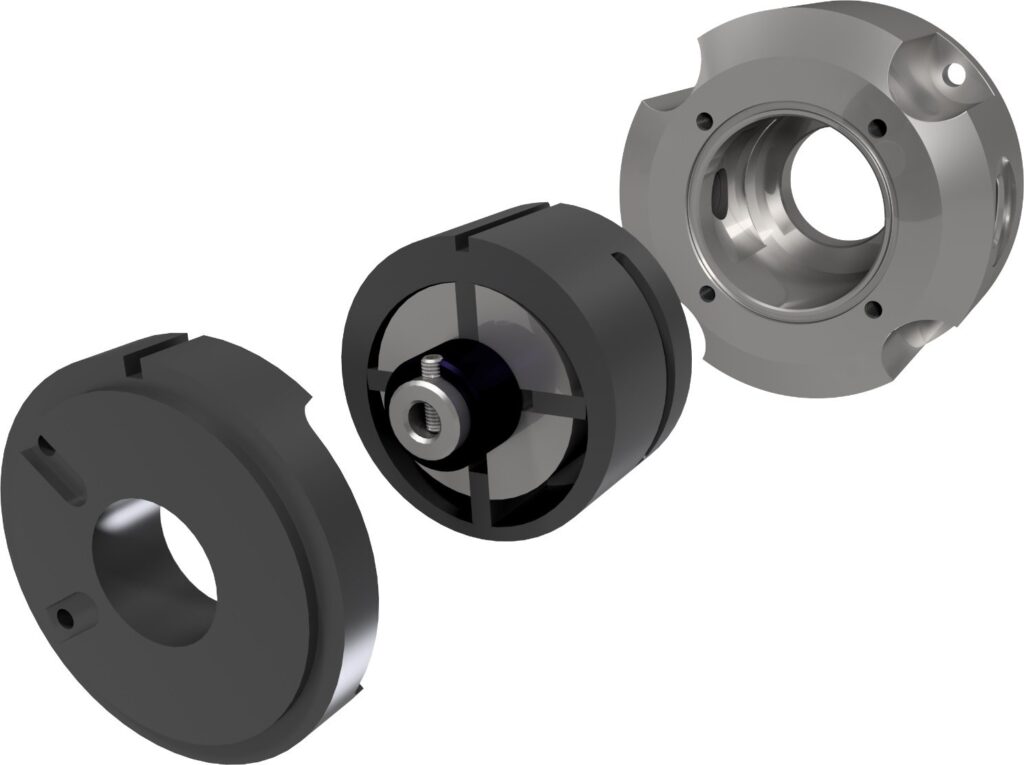
The MARCH VANE-MAG® MPA pump series has the advantage that the hydraulics themselves are particularly effective. These rotary positive displacement pumps, also known as rotary vane pumps, are typically used to pump or accurately meter liquids with low lubricating properties. The rotor of the pump has slots in which the vanes move radially and press against the inner wall of the stator bore or cam ring. In this way, as the rotor turns, a narrowing space is created between vane and stator, which draws in the medium. As the vane moves on, the medium is enclosed between vane and casing and carried to the pump outlet by the rotation of the rotor. The vanes, the stator and the thrust bearing are made of carbon graphite and have very good self-lubricating properties. In addition, the pumps of the VANE-MAG® MPA series are magnetic-drive and therefore hermetically sealed and leak-free.
Rotary vane pumps are often used in applications that require pulsation-free, continuous delivery of very small quantities against high back pressure, for example in the chemical, food and pharmaceutical industries. They are maintenance-free and have a long service life because they consist of few parts that do not wear easily under ideal operating conditions.
Images